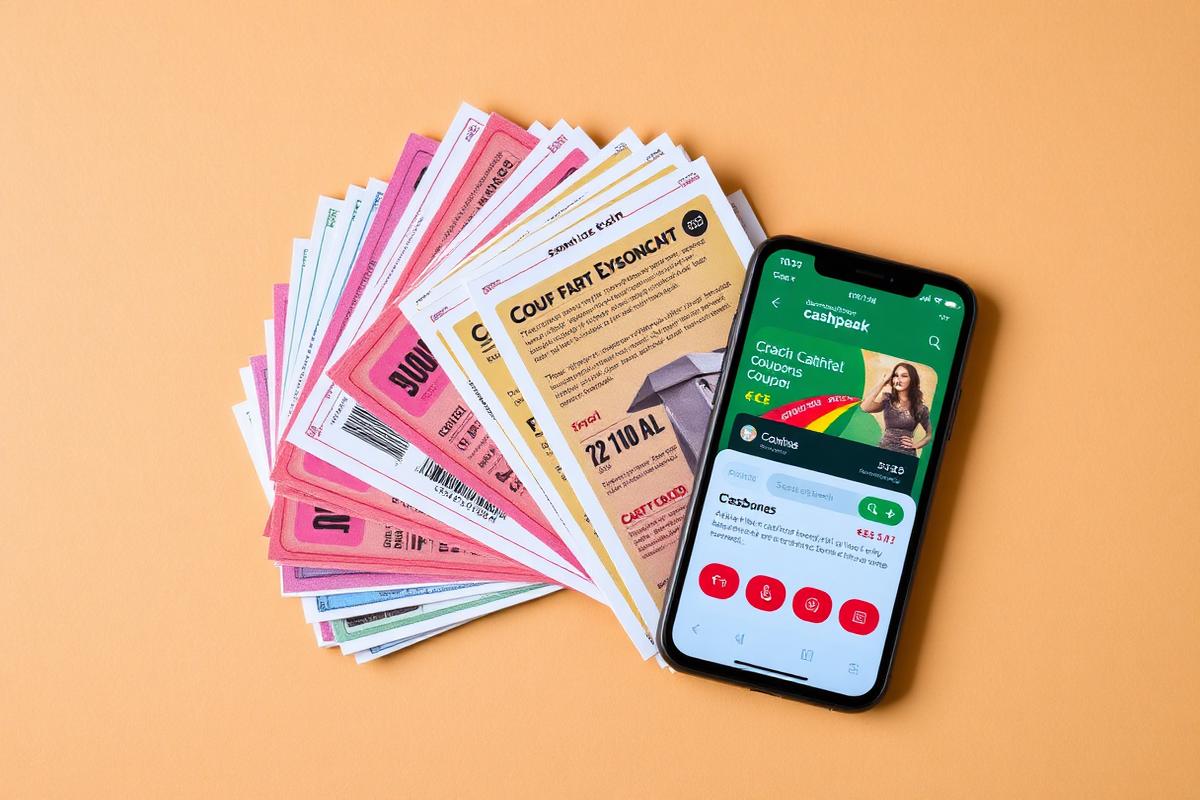
Stacking Discounts: Coupons, Cashback, and Memberships
Combining discount tools the right way can multiply your savings. Here's how to stack them without falling into common traps.
Every discount tool works fine on its own. The real gains come from combining them — often called "stacking." Done well, stacking turns a single purchase into a coupon, a cashback reward, and a loyalty perk all at once. Done poorly, it wastes time or pushes you into buying things you didn't need.
The three most common stack layers
1. A coupon or promo code applied at checkout. 2. A cashback or rewards program that gives back a percentage of the purchase. 3. A membership or loyalty program with member-only pricing or points.
Each layer works in a different place in the transaction, which is why they can usually combine.
The order that usually gives the best result
1. Start with the lowest sale price you can find, ideally on an item you were going to buy anyway. 2. Apply the strongest coupon or code at checkout. 3. Complete the purchase through a cashback route you already use. 4. Make sure the transaction posts to a loyalty account so it counts toward member benefits.
You won't always get all four layers. Two well-chosen layers is often better than four scattered ones.
Where stacking usually breaks down
- "One promo code per order." Most sites only let one code apply. Test which one saves more before locking it in.
- Exclusions. Codes often exclude sale items, gift cards, or specific brands. Read the terms — a code that silently doesn't apply feels the same as a code that "didn't work."
- Cashback disqualifications. Some cashback programs won't reward a purchase if a competitor's coupon was used. Check before assuming.
- Loyalty double-dipping. Some programs only count purchases made directly, not through third-party portals.
The trap: chasing discounts you didn't need
The most common mistake in stacking is letting the discount decide the purchase. A 30% off code is only savings if the item was already on your list. Otherwise, "saving 30%" often means spending 70% you weren't going to spend at all.
A useful test: would you have bought this at the pre-stack price? If yes, stack away. If no, the discount is doing the selling for you.
Small habits that make stacking easier
- Keep a single note with your active loyalty accounts so you don't forget which ones apply where.
- Save a bookmark for the cashback tool you actually use, so it's part of your normal checkout flow.
- Sign in *before* you start shopping — member pricing that isn't applied at cart time can be hard to fix later.
- Screenshot the confirmation page. If a cashback amount doesn't post, you'll need the details.
When stacking isn't worth it
For small purchases, the time spent hunting for a code often outweighs the savings. Save your stacking energy for larger baskets, planned bigger-ticket items, or repeat purchases where the effort pays off multiple times.
Stacking is a tool, not a hobby. Used well, it makes the money you were already going to spend go a little further. Used poorly, it becomes a very productive-feeling form of overspending.